Barrier Creams: Protecting Your Skin from Wound-Related Irritation

Barrier Creams: Protecting Your Skin from Wound-Related Irritation

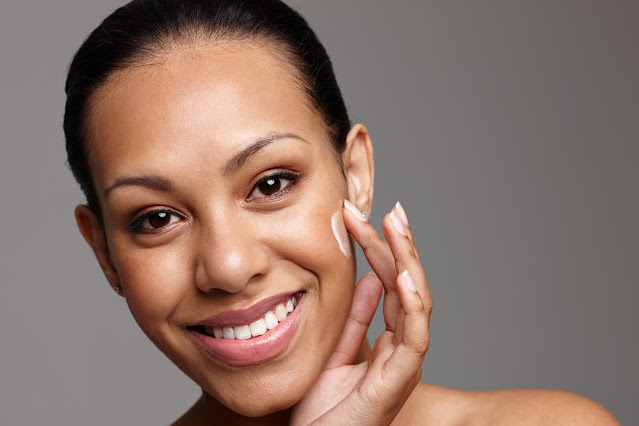
Barrier creams are a crucial part of effective wound care, as they help to protect the skin from the damage and irritation that can be caused by wound dressings, tapes, and other wound-care products. Barrier creams provide a physical barrier between the skin and wound-care products, helping to prevent skin damage and promote healthy healing.

Different types of barrier creams are available, including:

Zinc oxide creams: These creams are made from zinc oxide, a mineral that has antimicrobial properties and helps to soothe the skin. They are often used to protect the skin from diaper rash, but they are also effective for protecting the skin from wound-related irritation.

Petrolatum-based creams: These creams are made from petroleum jelly and are designed to provide a protective barrier for the skin. They are particularly effective for protecting the skin from moisture-related damage, such as maceration.

Dimethicone creams: These creams are made from silicone and are designed to provide a breathable barrier for the skin. They are particularly effective for protecting the skin from the damaging effects of adhesives, tapes, and other wound-care products.

When choosing a barrier cream, it is important to consider the type of wound, its location, and the products you will be using in conjunction with the cream. It is also important to choose a cream that is compatible with your skin type, as some creams can cause irritation or allergic reactions in some individuals.

In conclusion, barrier creams are a crucial part of effective wound care, helping to protect the skin from wound-related irritation and promoting healthy healing. With a wide range of barrier creams available, it is important to choose the right cream for each individual wound. Wound-care.co.uk is here to help you with all your wound care needs. Visit us today to learn more about the different types of barrier creams and how they can help you achieve the best possible wound healing outcomes.

Comments

Popular posts from this blog

World Health Day: Dedicated to Ensuring Health for Everyone

Every year, on April 7th, the world unites to celebrate World Health Day , a global initiative led by the World Health Organisation (WHO). This day serves as a reminder of the importance of good health and highlights key health issues that affect communities worldwide. At wound-care.co.uk, we believe that promoting health and well-being is essential to building a healthier society. The Theme of World Health Day Each year, WHO selects a theme that brings focus to a specific public health priority . Whether it's raising awareness about mental health , access to healthcare , or managing non-communicable diseases , the aim is to educate and empower individuals to take charge of their health. Health and Wound Care: A Connection Good health is about more than just prevention; it’s about effective care when challenges arise. At wound-care.co.uk, we support individuals in their healing journey by providing access to premium wound care products that aid in recovery and prevent complicatio...

Wound Dressings-The Healing Expert

Wound Dressings are applied to promote healing of the wound and prevent further harm. It is designed to be in direct contact with the wound. Patients with different types of wounds can benefit from the wound dressings. Different wound dressings play different roles in ensuring wound healing in an effective manner. One of such wound dressings are Adaptic Wound Dressing which is a flexible, open mesh dressing which prevents adherence of the dressing to the wounds, allowing free passage of exudate. Types of Wound Dressings: Adaptic Dressings: It is useful for burns and surgical wounds. Absorbent Dressings: It keeps wound at optimum moisture level and contours to the body. Antimicrobial Dressings: Its anti-microbial properties help remove bacteria and excess exudate. Hydrogel Dressings: It is for wounds with little or no fluid, painful wounds, second degree or higher burns and infected wounds. A wound dressing can have various purposes, depending on severity and po...

How to Treat Road Rash Effectively

Road rash is a common type of skin abrasion that occurs when skin scrapes against a rough surface, such as pavement. Whether it’s from cycling, running, or an accidental fall, road rash can be painful and prone to infection if not treated properly. Understanding how to care for these wounds can promote faster healing and reduce scarring. Here’s a step-by-step guide on treating road rash effectively. 1. Assess the Severity of the Injury Before treating road rash, determine its severity. Minor abrasions can be treated at home, but deeper wounds with excessive bleeding, visible fat or muscle, or signs of infection may require medical attention. Seek medical care if the wound is large or contaminated with debris that you cannot remove. 2. Clean the Wound Thoroughly Proper wound cleaning is crucial to prevent infection. Follow these steps: • Wash your hands before touching the wound. • Rinse the affected area with lukewarm water to remove dirt and debris. Avoid scrubbing, as it can wors...